How to Replace a Bathroom Faucet Step by Step
Replace a bathroom faucet in Charleston, SC in about 90 minutes. Here is the full step-by-step process, the tools you need, and when to call a plumber.
Replacing a bathroom faucet in Charleston, SC takes about 60 to 90 minutes if the shutoff valves work and the sink opening matches the new fixture. You shut off the water, disconnect the supply lines and drain, pull the old faucet, clean the deck, set the new one with fresh plumber's putty or silicone, reconnect everything, and test for leaks. That is the whole job. The rest of this guide covers the tools, the Charleston-specific problems that trip people up, 2026 pricing, and the point where calling a plumber is cheaper than finishing the job yourself.
How to replace a bathroom faucet in Charleston SC is really a question about two things: knowing the order of operations, and knowing when the plumbing behind the wall is going to fight you. Older homes in this city have both. We will walk through it the way we do it on a service call.
Why Bathroom Faucets Fail in Charleston Homes
Bathroom faucets in Charleston fail faster than in most U.S. cities because of what is in the water and what is in the walls. Charleston's municipal water runs hard, and the Lowcountry's humidity keeps the underside of a vanity damp for most of the year. That combination eats cartridge seals, corrodes supply-line fittings, and pits the finish on older fixtures long before the faucet stops working mechanically.
The three failure modes we see most often:
- Dripping from the spout. A worn ceramic cartridge or rubber seat. Usually a $15 to $40 part, sometimes worth replacing instead of the whole faucet.
- Leaking at the base. The O-ring or putty seal has failed. Water runs under the faucet deck and rots the vanity top from underneath.
- Corroded shutoff valves. The valve under the sink will not close all the way, or snaps when you turn it. This is the single most common reason a DIY faucet swap turns into a same-day plumber call.
If your faucet is more than 12 to 15 years old, replacement usually beats repair. Cartridges for discontinued models get hard to source, and the finish is already gone. If it is under 10 years old and just dripping, a cartridge swap is the smarter move - that is the kind of work our team handles under faucet installation and repair charleston SC.
One more Charleston-specific note: homes built before 1990 often still have galvanized steel nipples feeding the shutoff valves. They look fine until you put a wrench on them. If yours crumble, stop and call us - that is a wall-opening job, not a vanity job.
What Tools Do You Need to Replace a Bathroom Faucet?
You need a basin wrench, an adjustable wrench, a bucket and towels, plumber's putty or silicone, thread seal tape, and a headlamp. That is the minimum. A basin wrench is the one tool most homeowners do not own, and it is the one you cannot fake - the mounting nuts on a bathroom faucet sit 6 to 8 inches behind the bowl where no regular wrench reaches.
The full list:
- Basin wrench (or a faucet wrench with a pivoting head)
- Adjustable wrench and a small set of open-end wrenches
- Phillips and flathead screwdrivers
- Bucket, old towels, and a shop vac if you have one
- Plumber's putty or 100% silicone caulk
- Thread seal tape (Teflon) for the supply connections
- Headlamp or a bright clamp light
- New supply lines - do not reuse the old ones
Buy the supply lines with the faucet. They cost $8 to $15 each and reusing a 15-year-old braided line is how you end up with a cabinet full of water three weeks later. While you are under there, look at the P-trap and the tailpiece. If the drain assembly is corroded, replace it now - pulling the sink apart twice is a waste of an afternoon.
If the shutoff valves do not close cleanly, or the drain tailpiece is cracked, you are past the DIY line. That is plumbing repairs charleston SC territory, and it is a 45-minute job for us versus a weekend for you.
Step-by-Step Bathroom Faucet Replacement
Bathroom faucet replacement in Charleston follows the same eight steps whether you are in a 1920s bungalow on the peninsula or a 2015 build in Mount Pleasant. The order matters more than the speed.
1. Shut off the water and drain the lines
Close both shutoff valves under the sink - hot on the left, cold on the right. Open the faucet to release pressure and let it run dry. If the valves will not close, shut off the main at the meter or the house valve and drain the lowest fixture in the house.
2. Disconnect the supply lines and drain
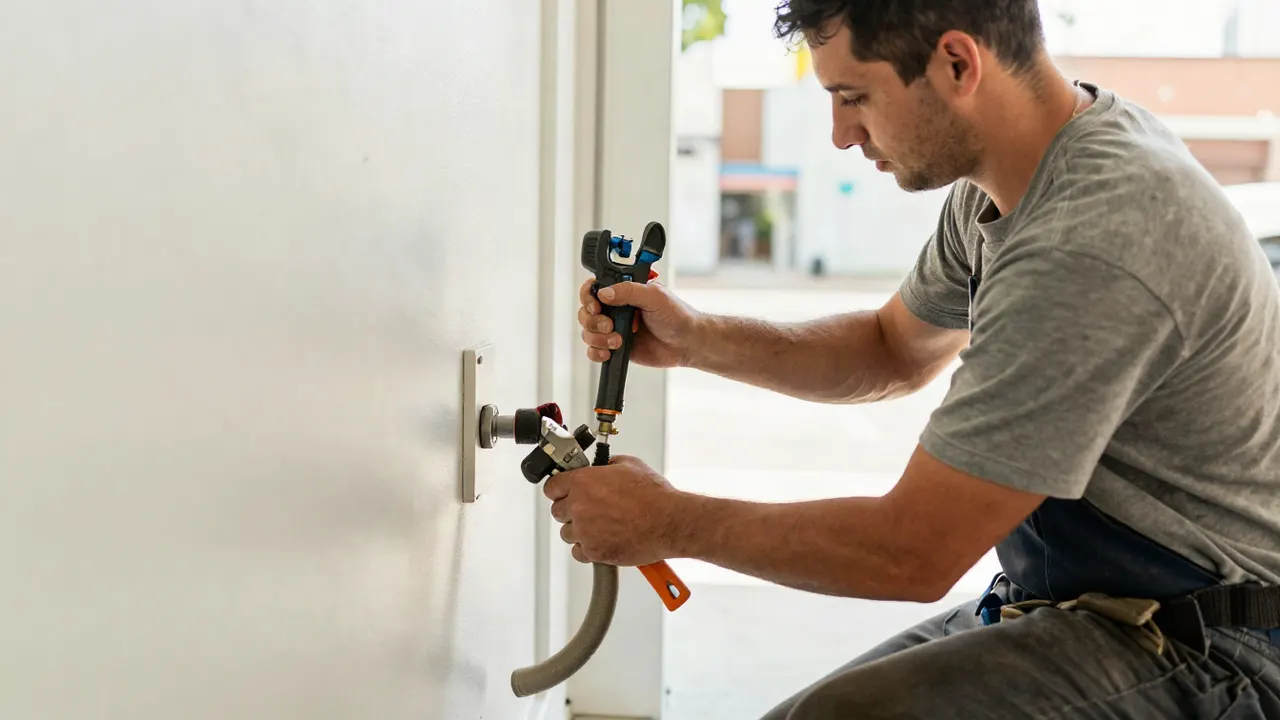
Put the bucket under the P-trap. Loosen the supply line nuts at the shutoff valves with the adjustable wrench, then disconnect the drain tailpiece from the P-trap. Expect a cup or two of water. Remove the drain stopper and the lift rod.
3. Remove the old faucet
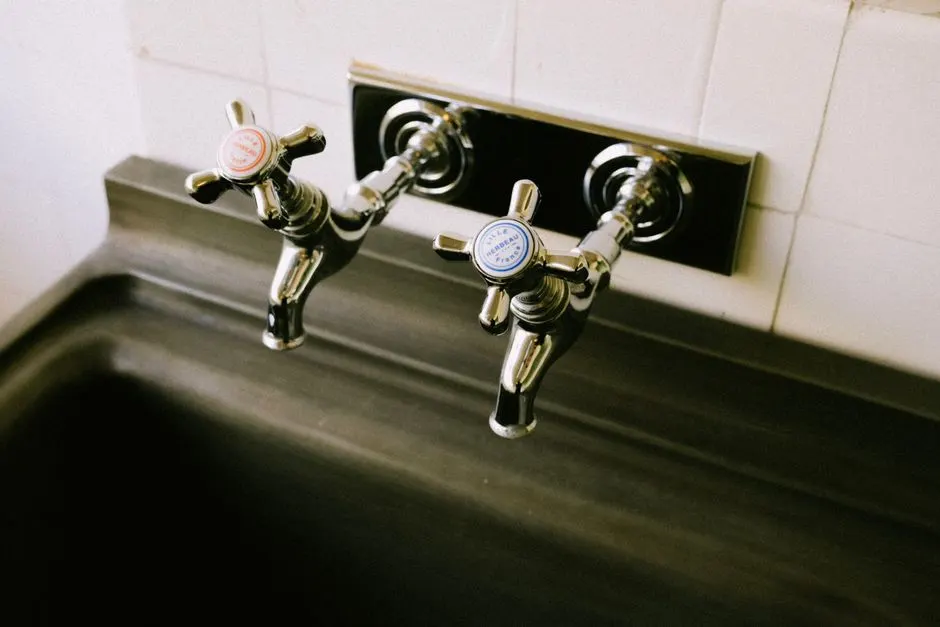
Get under the sink with the basin wrench and loosen the mounting nuts. On a two-handle faucet there are usually two; on a single-handle there is one large nut or a mounting plate. Once the nuts are off, the faucet lifts straight up from the deck. If it is stuck, do not pry it - cut the old putty with a putty knife from above.
4. Clean the sink deck
Scrape off the old putty, mineral scale, and any silicone residue. A plastic scraper and a little white vinegar will do it. The new faucet needs a flat, clean surface or it will leak at the base within a year.
5. Set the new faucet
Roll a 1/4-inch bead of plumber's putty around the base of the new faucet (use silicone instead if the deck is stone or composite - putty stains porous surfaces). Feed the supply lines and the lift rod through the sink holes, set the faucet, and hand-tighten the mounting nuts from underneath. Snug, not gorilla-tight. Overtightening cracks porcelain and deforms the gasket.
6. Connect the supply lines
Thread the new braided lines onto the faucet shanks and the shutoff valves. Hand-tighten, then a quarter turn with the wrench. Do not use thread seal tape on compression fittings - it causes more leaks than it prevents. Use it only on threaded pipe connections.
7. Reassemble the drain
Reconnect the tailpiece to the P-trap, reinstall the stopper and lift rod, and check that the pop-up moves freely. Hand-tighten the slip nuts plus a quarter turn.
8. Test and check for leaks
Open the shutoff valves slowly. Let the faucet run two full minutes - hot and cold. Then dry every connection with a paper towel and watch for 60 seconds. Any weep at a supply nut means another quarter turn. Any weep at the faucet base means the mounting nuts are loose or the seal is bad.
If you are doing this in a rental or a commercial restroom, the process is identical but the shutoff situation is often worse - shared risers, no isolation valves. That is where our commercial plumbing charleston SC crew gets called in.
How Long Does It Take and What Does It Cost in 2026?
A straightforward bathroom faucet replacement takes a homeowner 60 to 90 minutes and a licensed plumber 30 to 45 minutes. Typical 2026 pricing in Charleston runs $150 to $350 for labor on a standard swap, plus the faucet itself at $85 to $400 depending on brand and finish. Add $75 to $150 if the shutoff valves need replacing, and $200 to $500 if a corroded drain assembly or galvanized stub-out has to be cut out and rebuilt.
Here is what drives the range:
- Faucet type. A basic two-handle chrome faucet is $85 to $150. A widespread brushed-nickel or matte-black fixture with a pull-down sprayer runs $200 to $400.
- Access under the sink. A pedestal sink or a vanity with a solid back panel adds 30 to 60 minutes of labor.
- Valve condition. Stuck or weeping shutoffs are the most common add-on.
- Drain condition. If the P-trap is rusted through, it gets replaced while we are in there.
Total installed cost for a mid-range faucet with good valves underneath usually lands between $300 and $600. That is the honest number. Anyone quoting $99 installed is either using a builder-grade faucet you will replace in three years, or planning to find add-ons once they are under your sink.
Common Mistakes to Avoid
The mistakes that turn a 90-minute faucet swap into a two-day repair are almost always the same five. Avoid these and the job goes clean.
- Not testing the shutoff valves first. Turn them closed and open before you disconnect anything. If they weep or will not seat, stop.
- Reusing the old supply lines. Braided stainless lines have a service life of about 10 years. Replace them every time.
- Overtightening the mounting nuts. Snug plus a quarter turn. Cracked porcelain sinks are a $400 problem.
- Using plumber's putty on stone or composite. It stains. Use 100% silicone instead.
- Skipping the leak check. Run the water for two minutes, dry every joint, and watch. A drip you miss becomes a rotted vanity floor.
One more: do not force a corroded shutoff valve. If it does not move with normal hand pressure on the handle, it is going to snap. That is a leak detection and repair charleston SC call, not a DIY call, and it is much cheaper to fix before the valve breaks than after.
When to Call a Professional
Call a plumber when the shutoff valves will not close, when the supply stub-outs are galvanized or corroded, when the sink is a pedestal or wall-mount with no cabinet access, or when you have already replaced the faucet and it still drips. Those four situations cover about 30% of the faucet jobs in Charleston, and they are the ones where DIY turns expensive.
Charleston Harborline Plumbing handles faucet replacement across the peninsula, West Ashley, James Island, Mount Pleasant, and North Charleston. We carry common cartridge kits and shutoff valves on the truck, so most jobs are done in one visit. If you want the work done under our residential plumbing charleston SC service, we will quote the labor and the parts before we start.
If you are in an older home downtown - the kind with plaster walls and original cast-iron drains - plan on us taking a look at the drain assembly while we are under there. It is the same visit and it saves you a second call.
Frequently Asked Questions
How do I replace a bathroom faucet in Charleston?
Shut off both supply valves, disconnect the supply lines and P-trap, remove the mounting nuts with a basin wrench, lift out the old faucet, clean the deck, set the new faucet with putty or silicone, reconnect the lines and drain, then run water for two minutes and check every joint for leaks.
How long does it take to replace a bathroom faucet in Charleston SC?
Plan on 60 to 90 minutes for a homeowner doing it the first time, and 30 to 45 minutes for a plumber. Add 30 to 60 minutes if the shutoff valves need replacing or the sink is a pedestal with limited access underneath.
Do I need a plumber to replace a faucet in Charleston?
No, if the shutoff valves close cleanly and the sink has a standard three-hole deck. Yes, if the valves are stuck or weeping, the stub-outs are galvanized, or the drain assembly is corroded. Those three conditions cause most DIY faucet jobs to fail.
What tools do I need to replace a bathroom faucet in Charleston?
A basin wrench, adjustable wrench, screwdrivers, bucket and towels, plumber's putty or silicone, thread seal tape, a headlamp, and new supply lines. The basin wrench is the one tool you cannot substitute - the mounting nuts sit too far back for a standard wrench.
Is it worth replacing a faucet or just repairing it?
Repair if the faucet is under 10 years old and only dripping - a $15 to $40 cartridge usually fixes it. Replace if it is over 12 to 15 years old, leaking at the base, or the finish is pitted. At that point parts get scarce and the labor is the same either way.
Get Help With Plumbing in Charleston
If your shutoff valves are stuck, your sink is a pedestal, or you would rather spend your Saturday somewhere other than under a vanity, we can have a licensed plumber at your door and the faucet swapped the same day.
Call Charleston Harborline Plumbing at (854) 226-6111 to schedule your bathroom faucet replacement.