How to unclog a kitchen sink drain yourself
Standing water in your kitchen sink? Learn how to unclog a kitchen sink drain in Charleston SC yourself with proven methods and know when to call a pro.
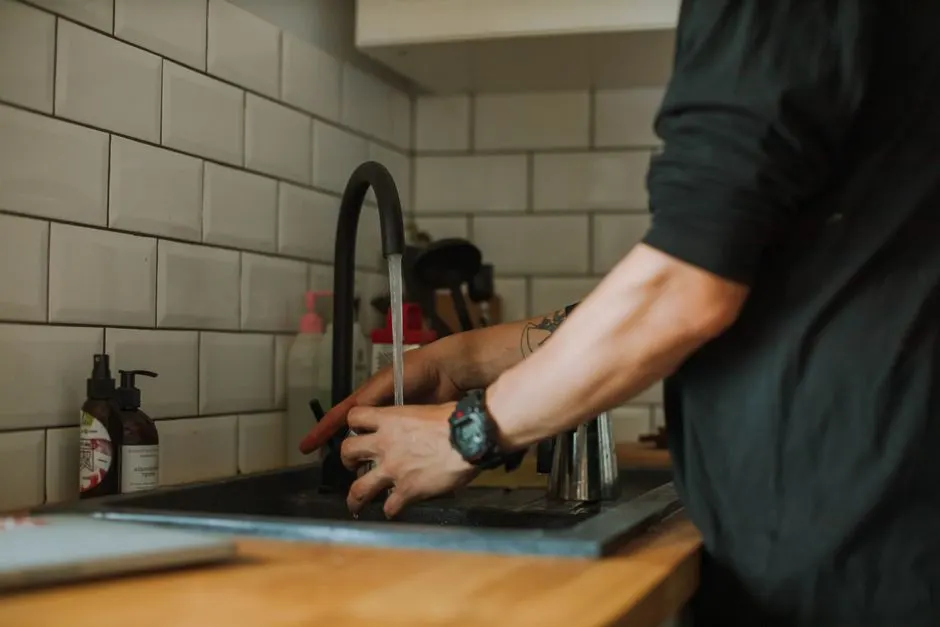
You can unclog most kitchen sink drains yourself in 15 to 30 minutes using a plunger, a drain snake, or a baking soda and vinegar flush. The key is matching the method to the clog: grease and food blockages near the trap respond to plunging, while deeper clogs in the branch line need a snake or enzyme treatment. This guide walks you through each method step by step, explains why Charleston's water and older plumbing make certain clogs more common here, and tells you exactly when a DIY fix stops being the smart move.
We handle drain cleaning charleston SC calls every week, and the same question comes up: can I just fix this myself? Most of the time, yes. Here is how.
Why Kitchen Sink Clogs Happen in Charleston
Charleston's water supply carries higher mineral content than many parts of the country, and that hardness leaves scale inside pipes over time. Scale narrows the inside diameter of your drain lines, so grease and food particles that would normally wash through instead catch on the rough surface and build up. Homes in neighborhoods like West Ashley and James Island, many built between the 1950s and 1980s, often still have original cast iron or galvanized steel drain lines under the kitchen. Those pipes corrode from the inside out, creating rough patches that grab everything passing through.
Add the Lowcountry's humid climate and the fact that most kitchens here see heavy use year-round, and you get drain lines that clog faster than in drier, newer markets.
Tools You Need Before You Start
Gather these before you touch the drain. You probably already own most of them.
- Cup plunger - the rubber cup type, not the accordion style. A $10 to $15 plunger outperforms a $30 chemical drain cleaner almost every time.
- Drain snake - a 15 to 25 foot hand-crank snake runs $20 to $40 at any hardware store.
- Bucket and towels - you will spill water. Plan for it.
- Baking soda and white vinegar - one cup of each for a gentle enzymatic flush.
- Channel-lock pliers - for loosening the P-trap slip nuts if you go that route.
- Flashlight - under-sink cabinets are dark, and you need to see what you are doing.
Skip the chemical drain cleaner for now. We will explain why in the mistakes section.
How Do I Unclog My Kitchen Sink in Charleston?
Start with the simplest method and work up. Most clogs clear at step one or two.
Method 1: Boiling Water and Dish Soap
If the sink is draining slowly rather than fully stopped, boiling water alone often clears it. Heat two quarts of water to a rolling boil, add a squirt of dish soap, and pour it down the drain in stages. Wait 30 seconds between pours. The heat melts grease; the soap helps it slide through. This works best on fresh grease clogs and costs nothing.
Method 2: Baking Soda and Vinegar
Pour one cup of baking soda into the drain, followed by one cup of white vinegar. The mixture foams and agitates the clog. Let it sit for 15 minutes, then flush with hot water. This method is safe for all pipe materials and works well on organic buildup. It will not clear a solid grease block, but it handles the slime layer that narrows your drain over time.
Method 3: Cup Plunger
This is the method most people skip too early. Fill the sink with 3 to 4 inches of water - enough to submerge the plunger cup. Seal the second drain opening (the other basin or the dishwasher line) with a wet rag. Place the plunger over the drain and pump firmly 15 to 20 times using your whole arm, not just your wrist. On the last pump, yank the plunger up quickly. The suction pulls the clog loose. Repeat two or three times before giving up.
Method 4: Drain Snake
If plunging fails, the clog is past the trap. Remove the strainer or stopper, feed the snake cable into the drain until you feel resistance, then crank the handle clockwise while pushing gently. You will feel the cable bite into the clog. Keep cranking and pushing until the cable breaks through or pulls the debris back. Pull the cable out slowly and wipe it clean. Flush with hot water to confirm the drain runs clear.
Method 5: Remove and Clean the P-Trap
The P-trap is the curved pipe under your sink that holds water to block sewer gas. It is also where most clogs live. Place a bucket under the trap, loosen both slip nuts by hand or with pliers, and pull the trap off. Expect water. Clean the inside with a bottle brush or a rag wrapped around a screwdriver. Reassemble, hand-tighten the nuts, and run hot water for two minutes to check for leaks.
If none of these methods clear the drain, the clog is in the branch line or main sewer line. That is when you call us. Our team handles plumbing repairs charleston SC and can run a camera down the line to find exactly what is blocking it.
What Causes Kitchen Sink Clogs in Charleston?
Kitchen sink clogs in Charleston come from five sources, and four of them are preventable.
- Grease and cooking oil. Bacon grease, butter, and olive oil pour down as liquid and solidify as they cool. Over months, that layer builds into a hard plug. Pour grease into a can and throw it in the trash.
- Food particles. Coffee grounds, eggshells, rice, and pasta expand with water and pack tightly in the trap. Even a garbage disposal does not eliminate them - it just makes smaller pieces that settle further down the line.
- Soap scum and mineral scale. Charleston's hard water leaves calcium deposits that combine with soap to form a sticky film. That film catches everything else.
- Tree roots. If your kitchen drain ties into a main sewer line that runs under the yard, roots from live oaks and magnolias find their way into cracks and joints. This is common in older neighborhoods with mature landscaping.
- Foreign objects. Bottle caps, utensil handles, and small bones make it past the strainer more often than you would think.
If you are dealing with a slow drain across multiple fixtures - kitchen, bathroom, laundry - the problem is likely in the main line, not the individual trap. That points to sewer line cleaning charleston SC rather than a simple sink fix.
Common Mistakes to Avoid
These are the mistakes we see most often when homeowners call us after a DIY attempt went sideways.
- Using chemical drain cleaner first. Caustic drain cleaners generate heat that can soften PVC joints and crack older cast iron. They also leave a pool of caustic liquid sitting in the trap, which is dangerous if you later remove the P-trap. Save chemicals for last, not first.
- Plunging without sealing the second drain. If you have a double basin and do not block the other side, the pressure escapes there instead of pushing against the clog.
- Forcing the snake. Cranking hard without letting the cable find its path can scratch the pipe interior or push the clog deeper. Let the cable do the work.
- Overtightening the P-trap nuts. Hand-tight plus a quarter turn with pliers is enough. Crank them down and you will crack the plastic washer and create a leak.
- Ignoring repeated clogs. If your kitchen sink clogs every two to three months, the problem is not the clog - it is the pipe condition. Repeated clogs in a Charleston home usually mean scale buildup or a partially collapsed line.
One more: do not pour boiling water into a drain that connects to a garbage disposal with plastic internal components. Let the water cool to about 180 degrees first. Most disposals handle hot water fine, but repeated near-boiling pours can warp cheaper units.
When to Call a Professional
Call a plumber when the clog returns within a week, when multiple drains in the house are slow, when you hear gurgling from other fixtures while the kitchen sink drains, or when you smell sewage under the cabinet. Those four signs point to a main line issue that a hand snake cannot reach.
We also get called when a homeowner has tried three methods and the water still will not budge. At that point, you are spending hours on a problem we can diagnose in 20 minutes with a camera. Our team at Charleston Harborline Plumbing handles emergency plumbing services charleston SC for backed-up drains, and we can often clear a main line clog the same day.
If your kitchen sink drain has been slow for months and you have noticed water pooling near the base of the cabinet, you may also have a leak detection and repair charleston SC issue on top of the clog. We check for both before we leave.
Frequently Asked Questions
How do I unclog my kitchen sink in Charleston?
Start with a cup plunger and 3 to 4 inches of water in the basin. If that fails, use a hand-crank drain snake. Most kitchen clogs in Charleston clear in 15 to 30 minutes with one of those two tools. Chemical cleaners should be a last resort.
What causes kitchen sink clogs in Charleston?
Grease, food particles, and Charleston's hard water scale are the top three causes. Older homes with cast iron or galvanized drain lines clog faster because corrosion creates rough interior surfaces. Tree roots in the main sewer line are also common in neighborhoods with mature landscaping.
Can I use drain cleaner in Charleston?
You can, but we recommend against it as a first step. Caustic cleaners can damage older pipes common in Charleston homes and create a safety hazard if you later remove the P-trap. Mechanical methods - plunger, snake, or trap removal - are safer and work better on grease clogs.
When should I call a plumber for a clogged sink in Charleston?
Call when the clog returns within a week, when multiple drains are slow, when you hear gurgling in other fixtures, or when you smell sewage. Those signs mean the blockage is in the main line, not the trap. A plumber with a camera can locate it in under 30 minutes.
How much does it cost to unclog a kitchen sink in Charleston?
Typical 2026 pricing for a professional kitchen sink drain clearing in Charleston runs $150 to $350 for a standard clog. Main line clogs requiring hydro jetting run $350 to $600. DIY methods cost under $40 in tools and handle most simple clogs.
Get Help with Plumbing in Charleston
If your kitchen sink is still backing up after you have tried plunging, snaking, and flushing, the clog is deeper than a hand tool can reach. We run a camera down the line, find the blockage, and clear it the same day.
Call Charleston Harborline Plumbing at (854) 226-6111. We handle everything from a single slow drain to full main line service, and we tell you the price before we start.