Why is my toilet running constantly in Charleston
A toilet that runs constantly in Charleston is almost always a worn flapper, a bad fill valve, or high mineral water wearing out the seal. Here is how to diagnose and fix it.
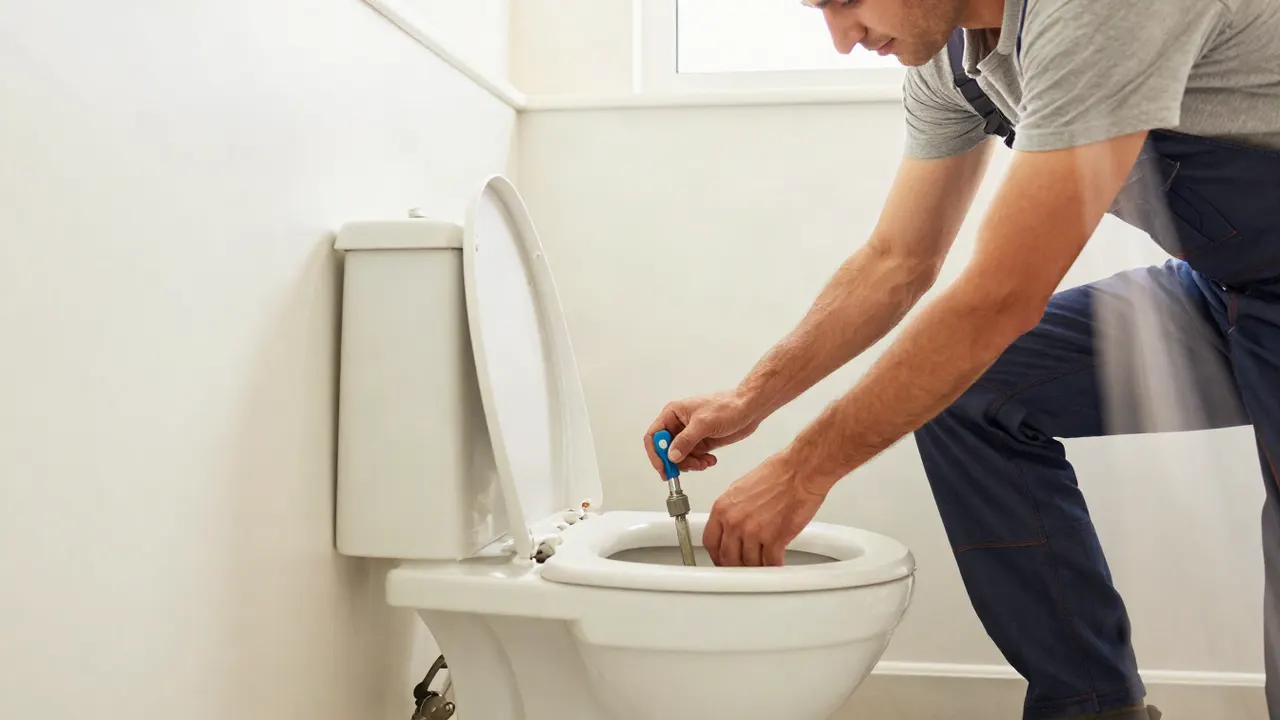
A toilet that runs constantly in Charleston is almost always caused by a worn flapper, a failing fill valve, or a mineral-crusted flush valve seat - and the fix usually costs less than $250. The running water you hear is the tank refilling itself over and over because the seal that holds water back is no longer doing its job. Left alone, that steady trickle can add $50 to $150 a month to a typical Charleston Water System bill. Below, we walk through every cause we see on service calls across the peninsula and the suburbs, how to test each one in under five minutes, what 2026 repair pricing looks like here, and when it makes more sense to call us than to keep fiddling with the tank.
The short answer: why your toilet won't stop running
A constantly running toilet is a tank that never reaches its shutoff point - either because water is escaping past the flapper into the bowl, or because the fill valve cannot sense that the tank is full. The flapper is a rubber seal about the size of a coaster that sits at the bottom of the tank. When you press the handle, it lifts, water rushes into the bowl, and it drops back down to seal. Rubber hardens, warps, and picks up mineral grit. Once it stops sealing, water bleeds through 24 hours a day and the fill valve keeps topping the tank off.
That is the mechanism. In Charleston specifically, two local factors make it happen faster than in most markets: our water runs hard with calcium and magnesium, and our homes see year-round humidity that ages rubber parts quicker. A flapper that might last five years in a dry climate often gives out in two or three here.
Why does my toilet keep running in Charleston SC?
Charleston's water chemistry is the single biggest reason toilets here run long before their parts should fail. Charleston Water System pulls from surface sources that carry dissolved minerals, and those minerals deposit on every rubber and plastic surface inside the tank. The same scale you scrape off a showerhead is coating your flapper, your fill valve diaphragm, and the flush valve seat. Over time, that crust keeps the flapper from sitting flat and keeps the fill valve from closing cleanly.
Age of housing stock matters too. A large share of homes on the peninsula, in West Ashley, and on James Island were built before 1980, and many still have original 3.5-gallon-per-flush toilets. Those older tanks use larger flappers and brass fill valves that corrode. We also see a steady stream of 1990s builds in Mount Pleasant and Summerville where the original internals have simply reached end of life.
Humidity is the third factor. Charleston averages roughly 70% relative humidity across the year, and a garage or uninsulated bathroom stays damp. Rubber exposed to that environment loses elasticity faster, which is why a toilet that sat unused in a guest bath can start running the week you finally have visitors.
The five causes we find most often
On a standard diagnostic visit, one of these five is behind the noise. We check them in this order because the first two account for roughly 80% of the running toilets we repair.
1. A worn or warped flapper
This is the number one culprit. The flapper is a $10 to $20 part, and it is the first thing we inspect. If yours is stiff, cracked, or covered in a chalky white film, it is not sealing. You can confirm it in 30 seconds: shut off the water supply at the wall, flush to empty the tank, and watch the flapper as the last of the water drains. If it does not drop cleanly and seal, that is your problem.
2. A failing fill valve
The fill valve is the vertical assembly that refills the tank after a flush. Its diaphragm and float can fail in two directions - either it never shuts off, or it shuts off at the wrong water level and lets water spill into the overflow tube. A fill valve that has been in service more than eight years in Charleston water is on borrowed time. Replacement parts run $15 to $30; the labor is the bigger line item.
3. A mineral-crusted flush valve seat
The flush valve seat is the opening the flapper seals against. When calcium builds up on that rim, even a brand-new flapper will not seal. We see this constantly in homes that have never had a water softener. The fix is to shut off the water, drain the tank, and scrub the seat with a mild descaling agent or fine abrasive pad. If the seat is cracked or pitted, the whole flush valve assembly needs replacing.
4. A misadjusted or tangled chain
The chain connecting the handle arm to the flapper should have about half an inch of slack. Too tight and it holds the flapper slightly open. Too loose and it can catch under the flapper and prop it up. If you have recently replaced a flapper yourself and the toilet started running right after, check the chain first - it is the most common DIY mistake.
5. A leaking fill tube or overflow tube
The small flexible tube that runs from the fill valve into the overflow tube can slip off or crack. When it does, water sprays continuously into the overflow and down the drain. This one is easy to spot: lift the tank lid while the toilet is running and look for water streaming into the tall center tube.
How to stop a toilet from running in Charleston SC
You can diagnose most running toilets yourself in about ten minutes with no tools beyond a sponge and a towel. Here is the sequence we walk homeowners through on the phone before we ever dispatch a truck.
- Shut off the supply valve behind the toilet and flush to empty the tank.
- Inspect the flapper. Look for warping, cracks, or a chalky mineral film. If it is not pliable and flat, replace it.
- Run your finger along the flush valve seat. If it feels rough or gritty, that scale is breaking the seal.
- Check the chain slack. You want about half an inch of play between the handle arm and the flapper.
- Turn the water back on and watch the fill level. If water rises above the overflow tube, the fill valve needs adjustment or replacement.
If the flapper is the only problem, you can be done in 15 minutes for under $20 in parts. If the fill valve or flush valve seat is involved, most homeowners would rather have us handle it than make a second trip to the hardware store. Our toilet installation and repair charleston SC team carries every common flapper and fill valve size on the truck, so a standard running-toilet repair is a single visit.
What a running toilet costs you in Charleston
A running toilet wastes between 200 and 500 gallons of water a day depending on how badly the flapper is leaking. At Charleston Water System's 2026 residential rates, that is roughly $50 to $150 added to your monthly bill - and it does not stop on its own. We have walked into homes where a guest bathroom toilet had been running for three months and the homeowner was convinced the bill spike was a rate increase.
Typical 2026 repair pricing in the Charleston area looks like this:
- Flapper replacement only: $95 to $150, parts and labor.
- Fill valve replacement: $150 to $250.
- Full rebuild kit (flapper, fill valve, flush valve seat, hardware): $200 to $350.
- Toilet replacement if the tank or bowl is cracked: $400 to $900 installed, depending on the model.
Compare that to a $150 monthly water bill increase and the math is obvious. Most running-toilet repairs pay for themselves within two billing cycles. If your toilet is 15 years old, uses 3.5 gallons per flush, and has already had two rebuilds, replacing it with a 1.28 GPF model is worth pricing out - our toilet replacement charleston SC service handles the swap, haul-away, and disposal in a single appointment.
Common mistakes we see homeowners make
The most expensive mistake is ignoring the problem because the sound is faint. A slow flapper leak can run for months before the water bill makes it obvious, and by then you have paid for the repair several times over in wasted water.
The second is replacing only the flapper when the fill valve is also worn. The two parts age together in Charleston water. If one has failed, the other is usually within a year of failing, and you will be paying for a second service call. A full rebuild kit costs $30 to $50 more in parts and saves you the repeat visit.
The third is over-tightening the tank bolts or the fill valve nut. Plastic and brass both crack under too much torque, and a cracked tank cannot be repaired - it has to be replaced. Hand-tight plus a quarter turn is the rule.
The fourth is using a universal flapper that does not match the flush valve. Charleston has a wide mix of toilet brands from the 1960s through the 2010s, and a generic flapper will often seal poorly on an older brass seat. Match the part to the toilet.
Finally, do not pour drain cleaner or any chemical into the tank to "clean" the flapper. It degrades the rubber further and can damage the fill valve diaphragm.
When to call a professional
Call us when the flapper swap does not stop the running, when you see water on the floor around the base of the toilet, when the tank itself is cracked, or when the shutoff valve behind the toilet will not fully close. Those four situations are beyond a DIY fix and can turn into water damage if you keep putting them off.
We also get called when a homeowner has already replaced two parts and the toilet still runs. At that point the flush valve seat or the overflow tube is the likely culprit, and diagnosing it takes a trained eye and the right parts on hand. Charleston Harborline Plumbing handles running-toilet repairs as part of our broader plumbing repairs charleston SC work, and we quote the price before we start so there are no surprises on the invoice.
If you are dealing with a running toilet alongside other issues - a slow drain in the same bathroom, a water heater that is short-cycling, low pressure at the showerhead - it is worth having us look at the whole system in one visit. Older Charleston homes often have several small failures happening at once because the plumbing was installed in the same era. Our residential plumbing charleston SC service covers everything from toilet internals to supply lines and shutoff valves.
Frequently Asked Questions
Why is my toilet running constantly in Charleston?
In Charleston, the most common cause is a worn flapper that no longer seals against the flush valve seat, usually accelerated by hard water minerals and year-round humidity. A failing fill valve is the second most common cause. Both are inexpensive to replace, and a full rebuild kit typically runs $200 to $350 installed in 2026.
How do I stop a toilet from running in Charleston SC?
Shut off the supply valve, flush to empty the tank, and inspect the flapper for warping or mineral film. If it is stiff or cracked, replace it - that solves most cases in under 20 minutes. If the toilet still runs after a new flapper, the fill valve or flush valve seat needs attention, and that is when to call a plumber.
Does a running toilet increase my water bill in Charleston?
Yes, significantly. A toilet leaking 200 to 500 gallons a day adds roughly $50 to $150 per month to a Charleston Water System bill at 2026 rates. The longer you wait, the more you pay - a three-month delay can cost more than the repair itself.
Who fixes running toilets in Charleston?
Charleston Harborline Plumbing repairs running toilets across the peninsula, West Ashley, Mount Pleasant, James Island, and Summerville. We carry common flappers and fill valves on every truck, so most running-toilet calls are resolved in a single visit with upfront pricing before we begin.
Can I just replace the flapper myself?
Often, yes. A flapper is a $10 to $20 part and the swap takes about 15 minutes. But if the flush valve seat is scaled or the fill valve is also worn, a new flapper alone will not stop the running. If you have replaced the flapper and the toilet still runs, call us.
Get help with plumbing in Charleston
A running toilet is one of the cheapest plumbing problems to fix and one of the most expensive to ignore. We diagnose it, fix it, and confirm the tank is holding before we leave - usually in a single visit.
Call Charleston Harborline Plumbing at (854) 226-6111 to schedule your running-toilet repair.