Measures grains per gallon, iron, and pH at your tap. The results drive system sizing, so we never quote a softener without running this first.
Water softener installation charleston SC that ends hard water damage
Water softener installation charleston SC homeowners can count on starts with a real water test, not a guess.
Serving charleston and nearby areas.
How big is your softener job?
Fresh install
Cutting into the main, running a new drain, and programming a new system.
- 1. Swap out Replacing an existing softener where the bypass and drain are already in place.
- 2. Fresh install Cutting into the main, running a new drain, and programming a new system.
- 3. Well or tight access Pretreatment for iron or a crawlspace and slab layout that needs a written plan first.
Drag the needle to compareTouch and drag the needle
- 30Services from one local team
- 20Areas served around charleston
- Test firstHardness, iron, and pH at your tap
- Pressure checkBefore and after the tie-in
What our water softener installation includes
Every install we quote covers the full job, not just the box. You get the water test, the sizing, the tie-in, the drain, the programming, and the walkthrough.
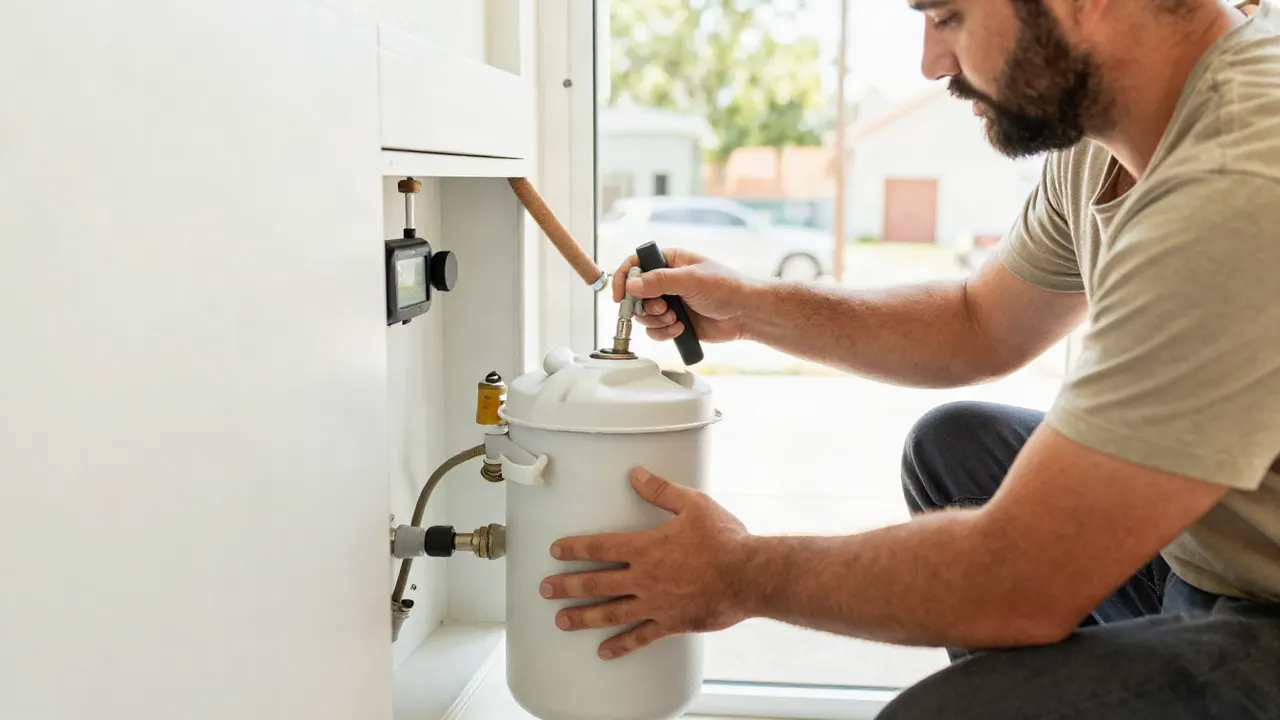
Work order
Water Softener Installation- On-site water hardness test: We test hardness, iron, and pH at your tap before recommending anything. The results drive the sizing math, and you get the numbers in writing. Skipping this step is how homeowners end up with an undersized unit that never keeps up.
- System sizing and selection: We match grain capacity to your measured hardness and household demand. A family of four on 12-grain water needs a different unit than a couple on 8-grain water. We explain the math so you understand what you are buying.
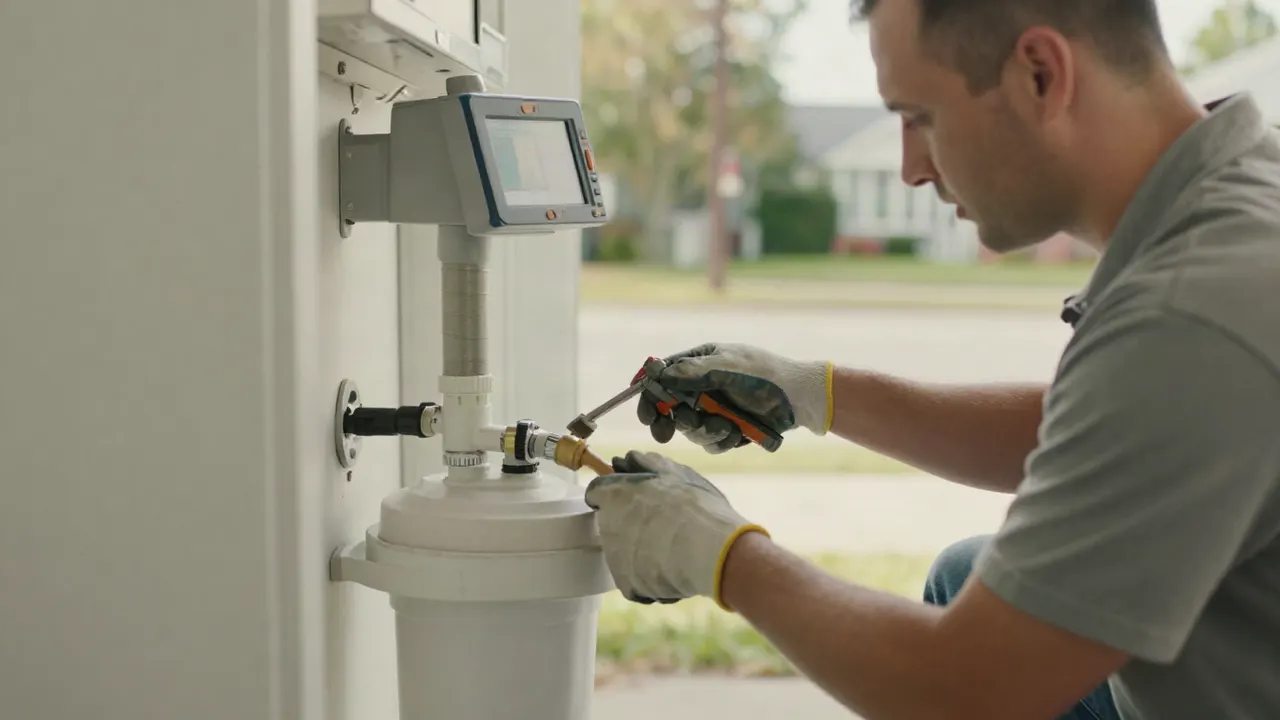
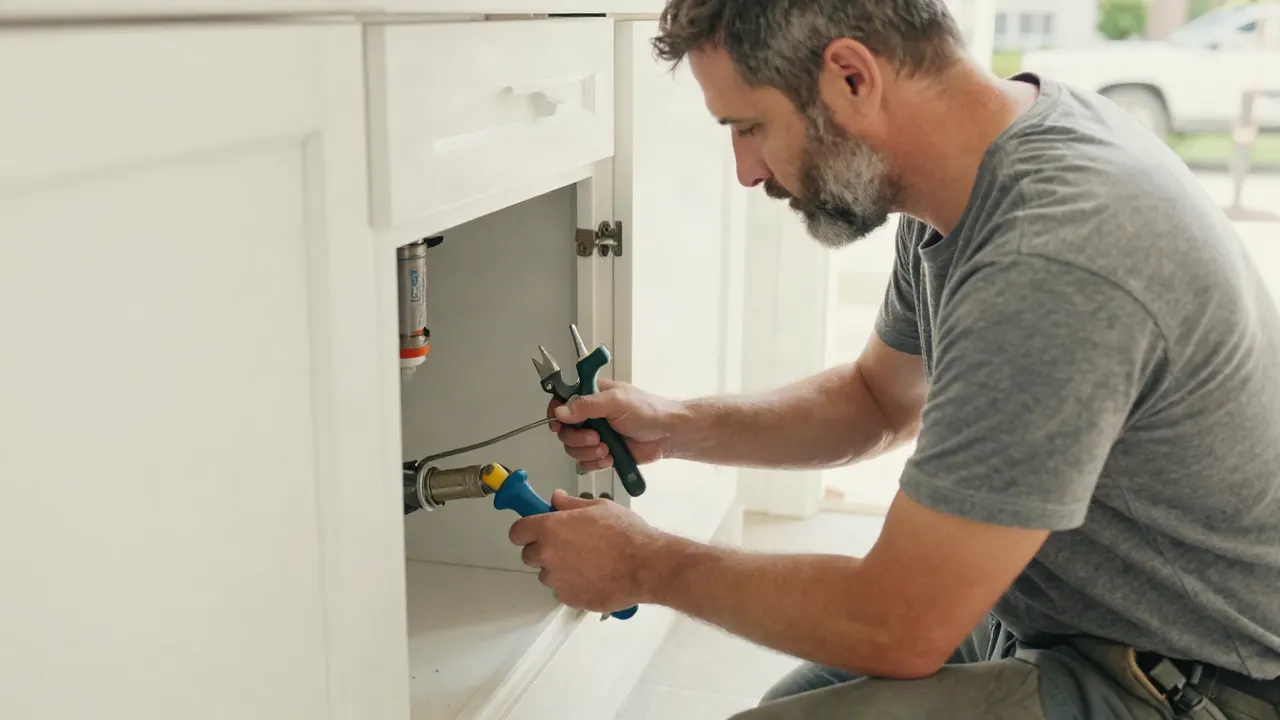
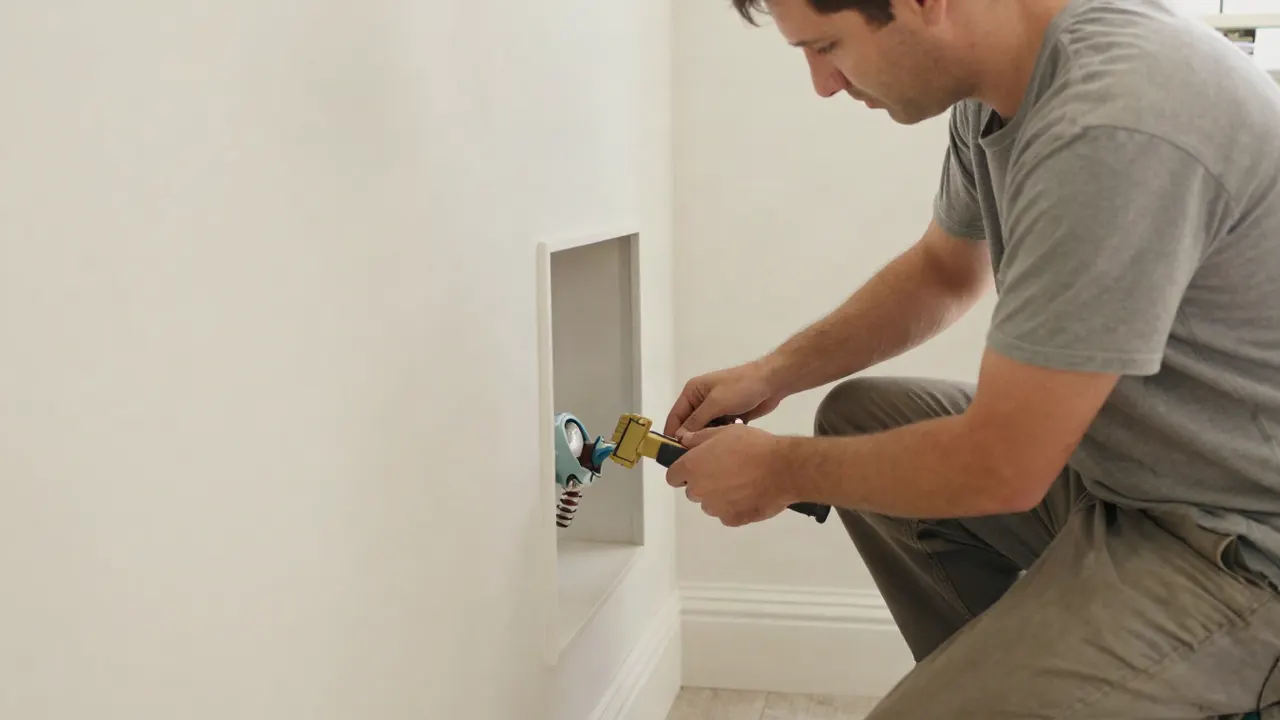
- Main-line tie-in with bypass: We cut into the incoming main and install a bypass valve so you can still use water during service or if the unit goes down. Joints are made with copper, PEX, or SharkBite fittings to match your existing plumbing and tested under pressure.
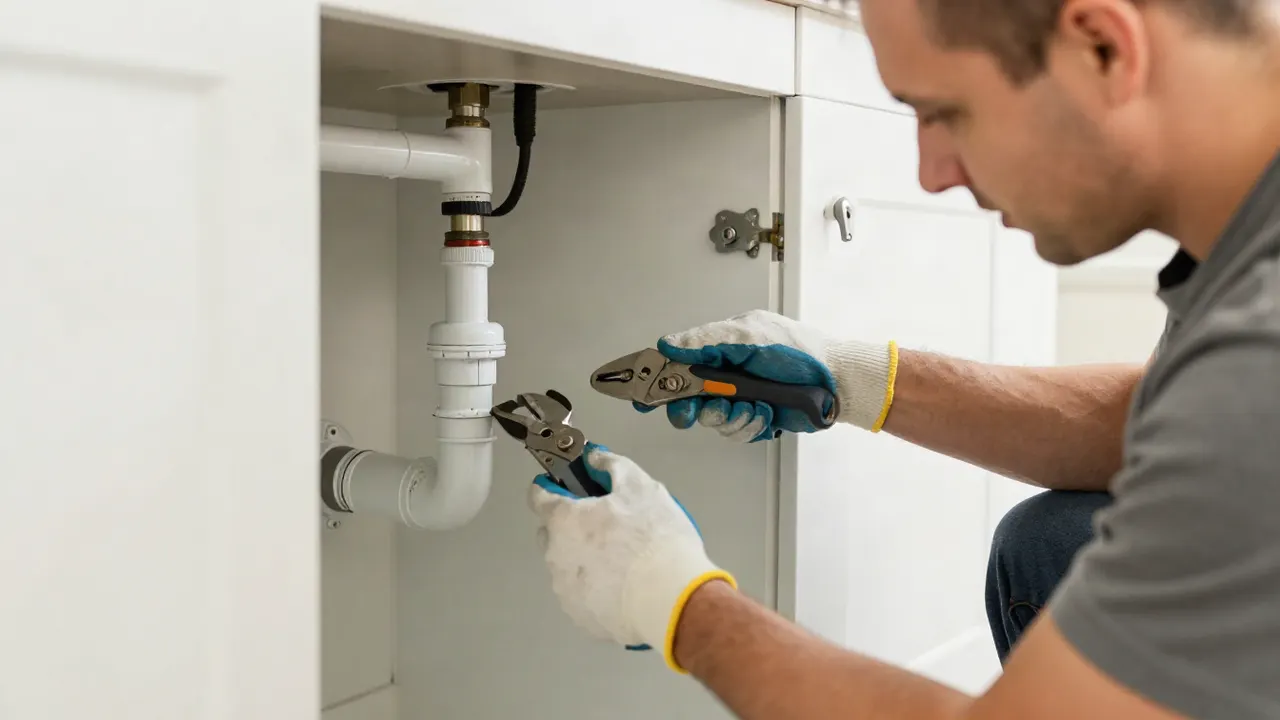
- Code-compliant drain and air gap: Regeneration water has to drain correctly. We run the drain line to an approved point with a proper air gap, following Uniform Plumbing Code and International Plumbing Code requirements. This is where cheap installs cut corners and cause backups.
- Control head programming: We set the control head to your measured hardness and household size, then run a manual regeneration to confirm the brine draw and drain flow. You watch the cycle so you know what normal looks like.
- Walkthrough and salt training: Before we leave, we show you how to add salt, what the display readings mean, and how to use the bypass. You get the model numbers and settings documented so future service is straightforward.
What the first visit covers
First visit
We test your water, check pressure, and map the tie-in and drain location before any cutting starts.
Water softener installation at homes
Sized to your household and your actual water test.
City water homes
Sized to measured hardness on your street.
Private well systems
Iron and pH tested before sizing and pretreatment.
Older downtown homes
Compact placement for tight crawlspaces and slab layouts.
Softener replacements
Old tank hauled off, bypass rebuilt, settings reprogrammed.
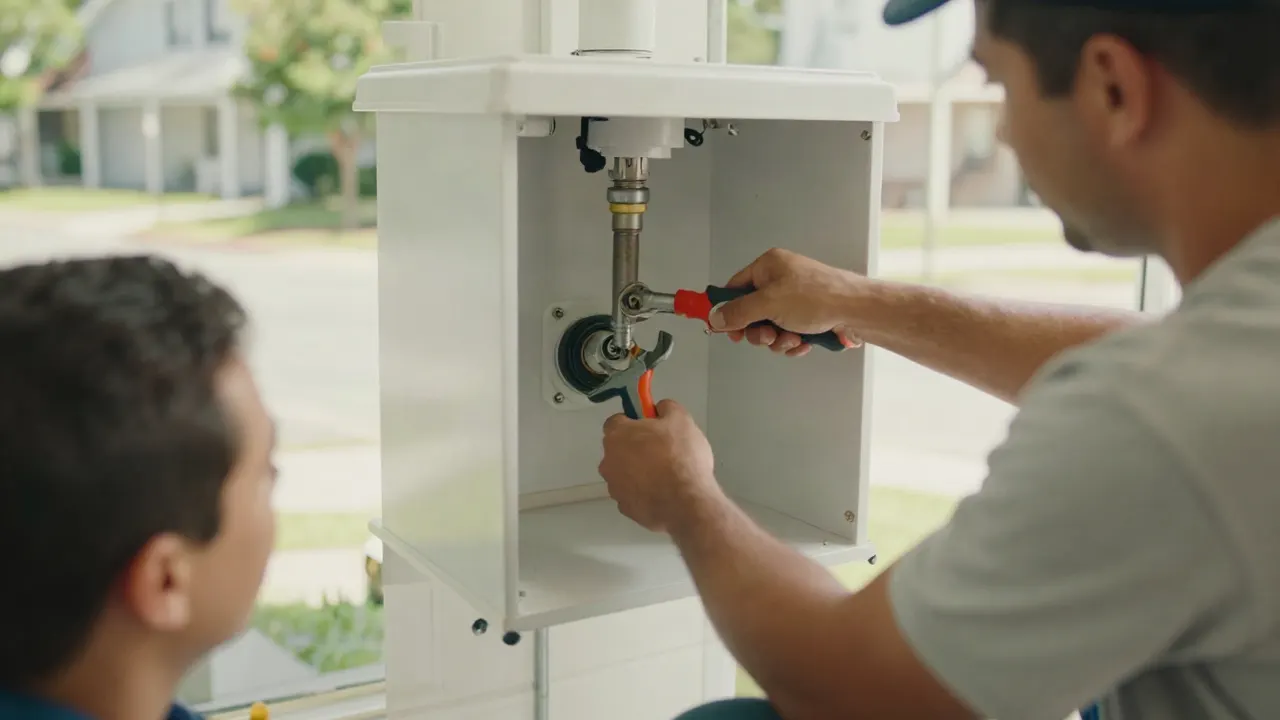
Water softener installation for businesses
Sized to fixture count and daily water demand so operations keep running.
Restaurants
Protects dishwashers, steamers, and water heaters from scale.
Hotels and rentals
Keeps guest fixtures and laundry equipment running clean.
Laundries and salons
Cuts detergent use and protects boilers and fittings.
What water softener installation charleston SC really involves
A softener is only as good as the plumbing it sits on. We test your water, size the system to the numbers, and tie it in to code so it keeps working long after the install day.
Water softener installation charleston SC is the process of tying a resin-tank system into your main water line so calcium and magnesium get pulled out before they reach your fixtures, water heater, and appliances. We cut into the incoming line, set a bypass so you still have water during service, run a dedicated drain for regeneration, and program the control head to your measured hardness. Most homes take one visit, three to five hours, start to finish.
Charleston water runs hard. The Edisto and Charleston aquifer sources that feed much of the Lowcountry push 8 to 15 grains per gallon in plenty of neighborhoods, and private wells on Johns Island and Wadmalaw can test far higher. That hardness is why you see white crust on Delta and Moen faucets, why Rheem and A.O. Smith water heaters lose efficiency early, and why dishwashers and coffee makers die young. A properly sized system pays that back.
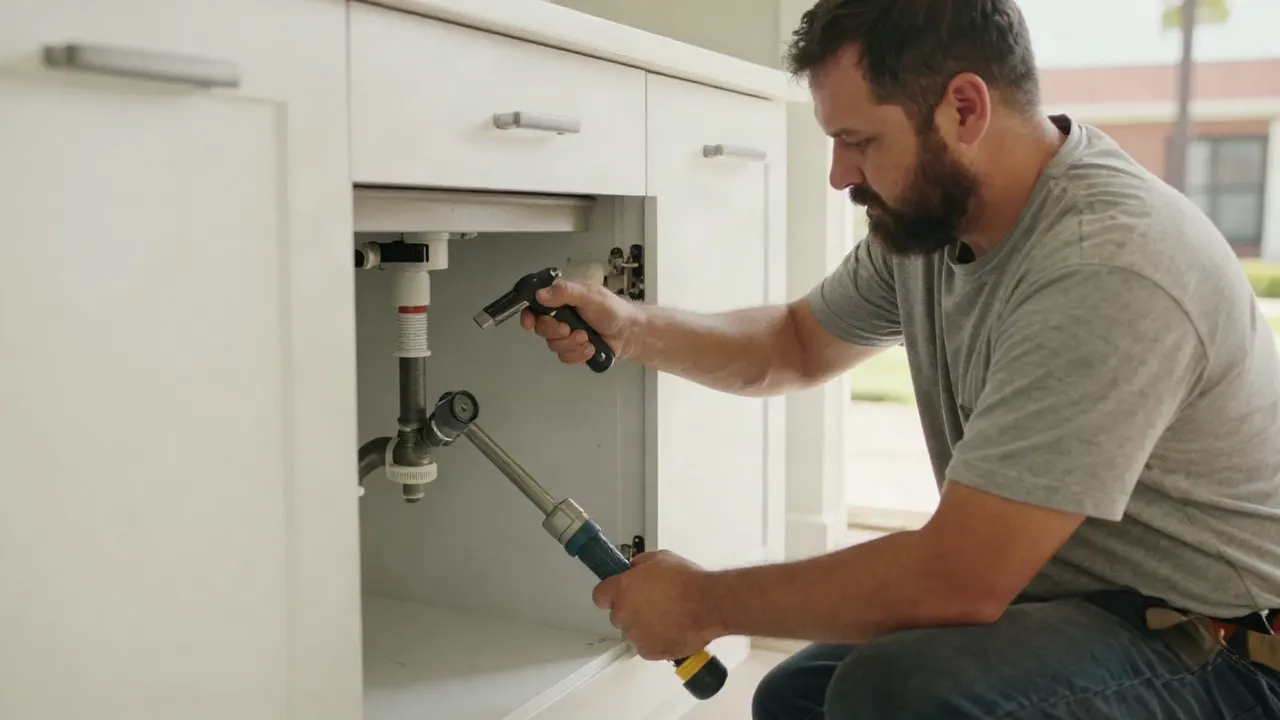
- What it is
- A resin tank tied into your main line that removes hardness.
- When it helps
- Scale on fixtures, popping water heaters, stiff laundry, spotty dishes.
- What you get
- Water test results, sized system, code-compliant drain, programmed settings.
How our water softener installation process works
We keep the job predictable. You get a hardness number, a written scope, a clean install, and a walkthrough before we pack up.
Tools and methods we use on every install
Each method answers a different question. Together they leave very little to guess.
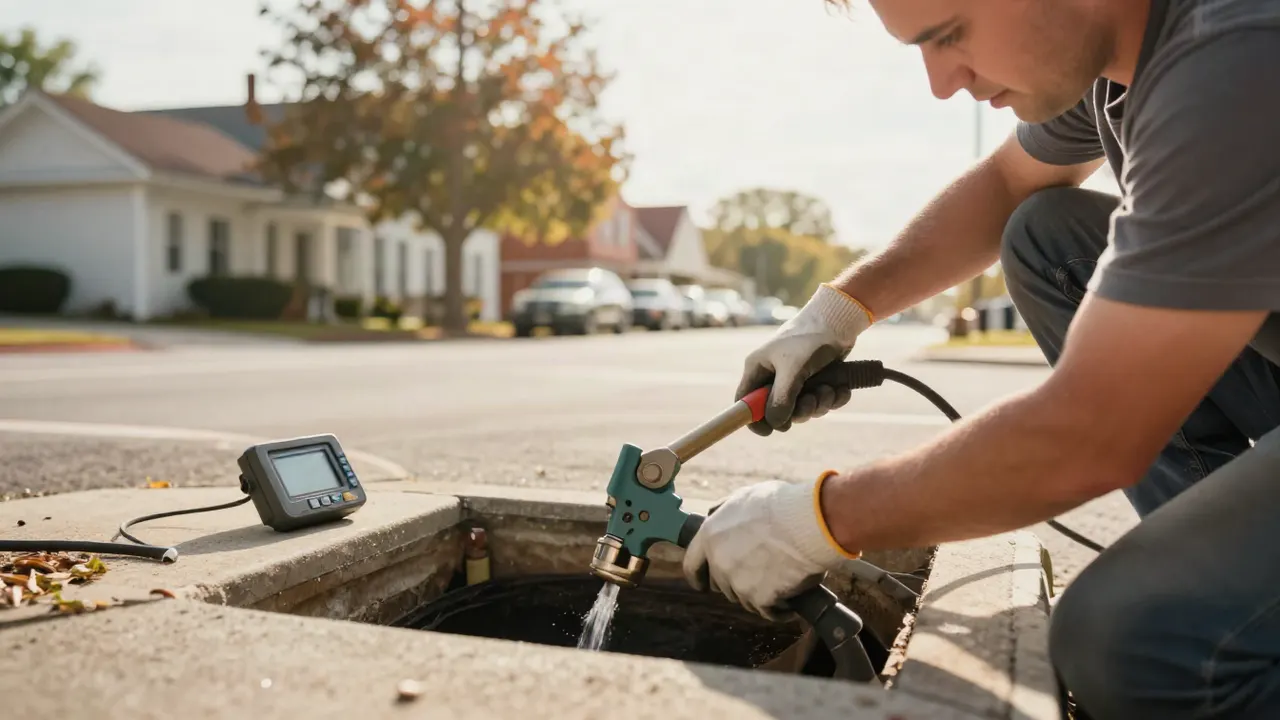
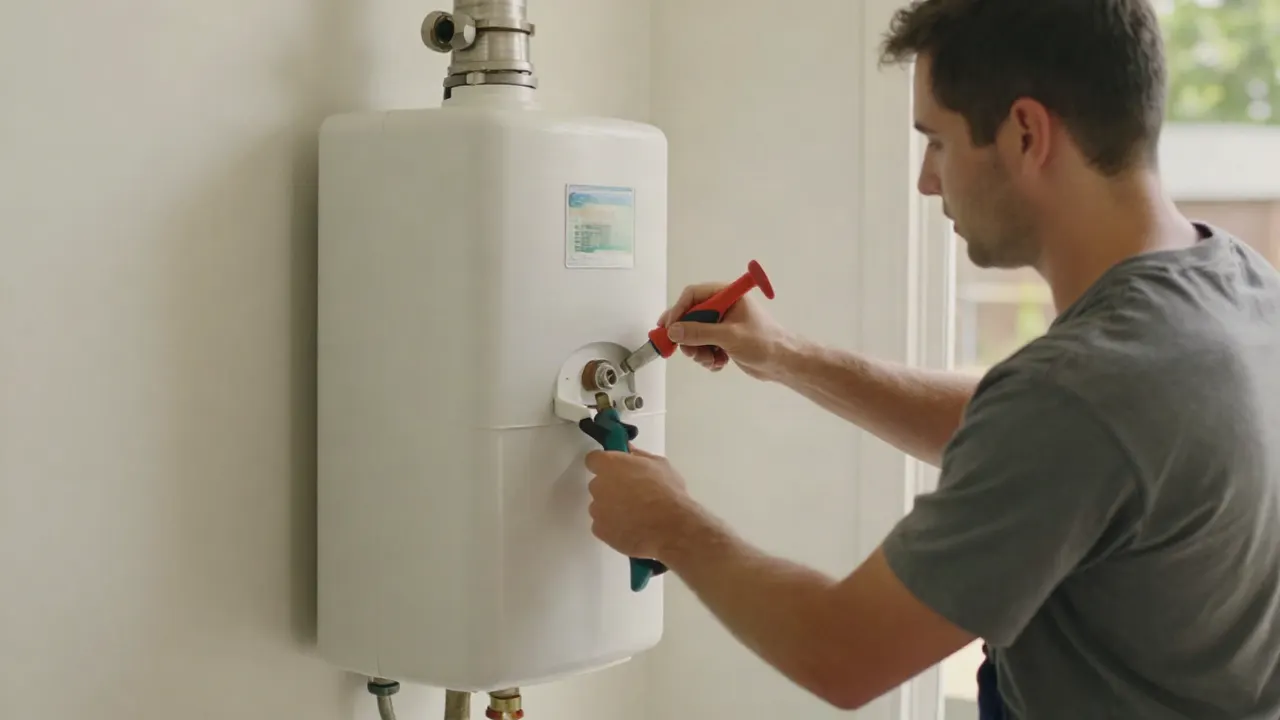
Confirms incoming water pressure before and after the tie-in. High pressure above 80 psi needs a regulator, and low pressure points to scaled or restricted lines.
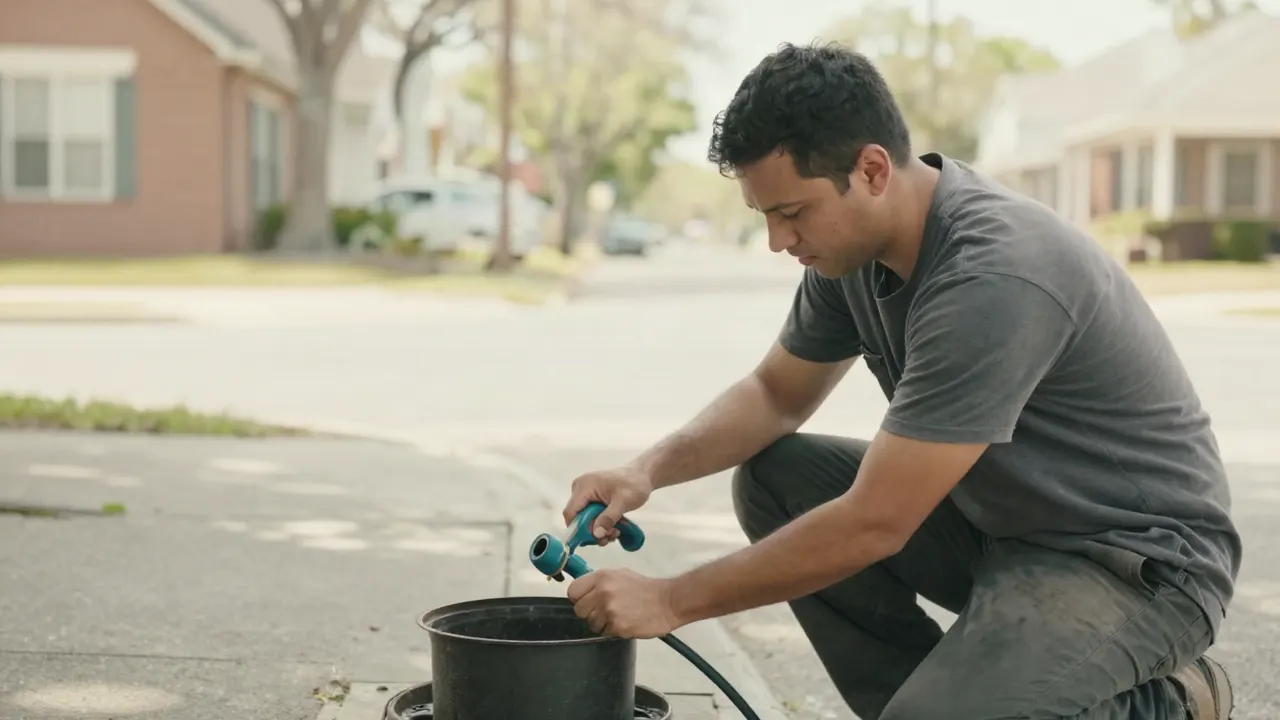
Used for clean cuts and leak-free joints on copper pipe. We match the method to your existing plumbing so the tie-in looks factory.
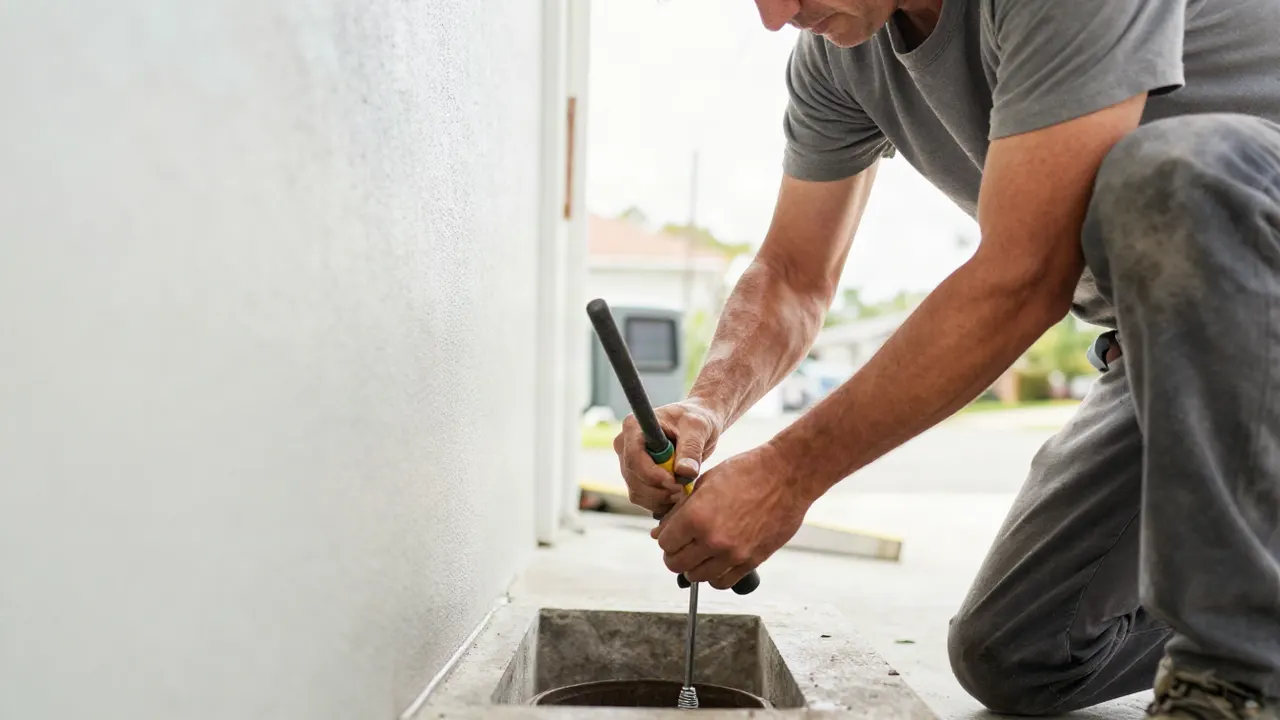
Makes secure connections on PEX tubing, which is standard in most Charleston homes built after 2000. Crimp rings are checked by hand after every joint.
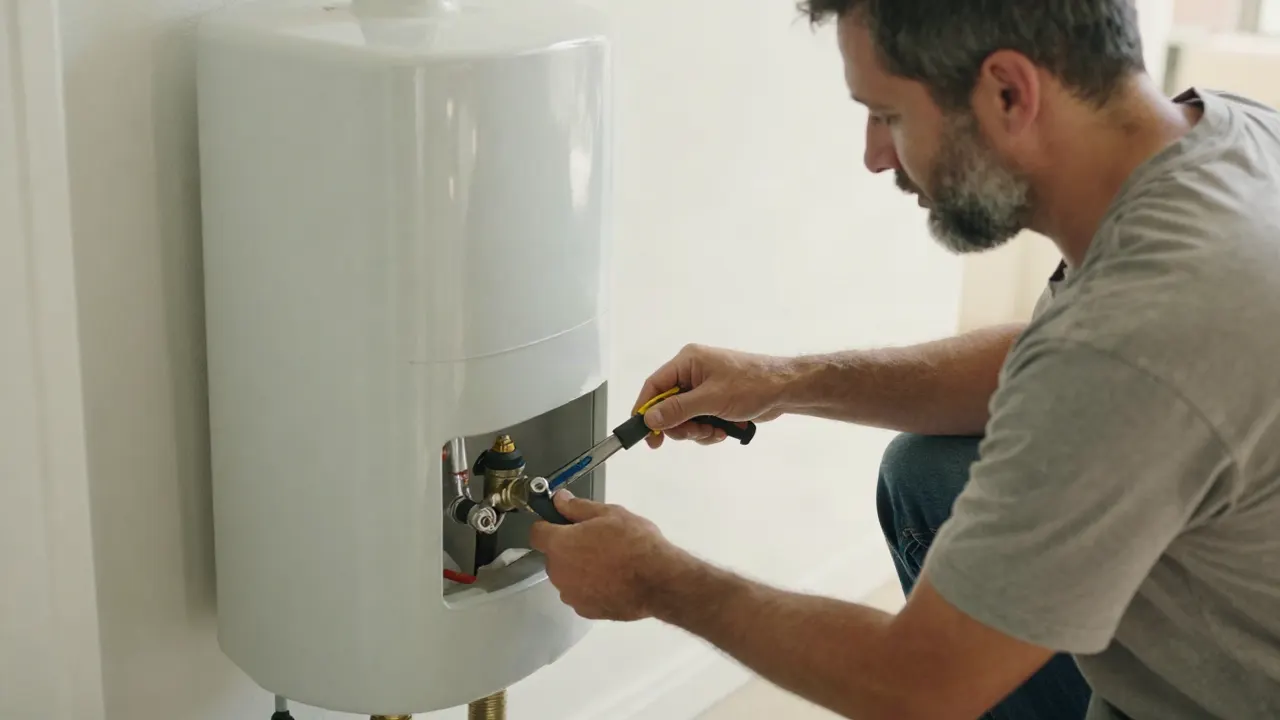
Inspects lines and joints in crawlspaces and behind walls. We use it before and after installs to confirm no hidden leaks were introduced.
When Charleston homeowners call us
A West Ashley family of four on 12-grain city water is replacing faucet cartridges every year and the water heater is popping.
We test hardness and pressure, size a 48,000 grain demand-initiated system, and install it at the main with a bypass and code-compliant…
HomesA Johns Island well owner has orange staining in sinks and a softener that fouls every eight months.
We test iron and pH, add pretreatment ahead of the resin tank, then install a properly sized softener.
HomesA downtown Charleston single house has original galvanized lines, low upstairs pressure, and a crawlspace too tight for a standard install.
We inspect with a leak detection camera, plan a compact placement near the main shutoff, and tie in with PEX to reduce…
HomesA Mount Pleasant homeowner's 15-year-old softener stopped regenerating and the brine tank is full of crust.
We confirm the control head is dead, quote a full replacement, and install a new unit with a fresh bypass.
HomesA Daniel Island new build has PEX throughout and the homeowner wants protection before the first water heater service.
We test hardness, size the system to household demand, and install with SharkBite and PEX-compatible fittings.
Homes
How water softener installation runs in Charleston
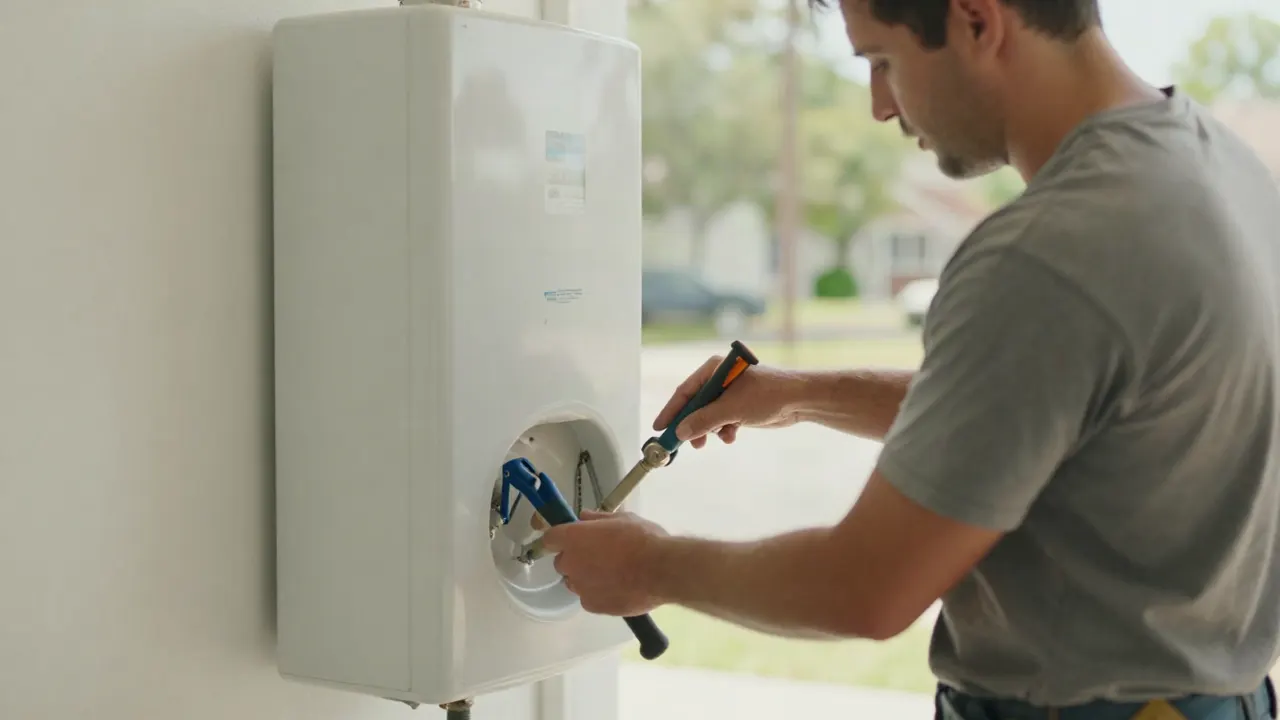
Charleston water is hard, and the source matters. City water drawn from the Edisto and Charleston aquifer systems typically tests 8 to 15 grains per gallon, while private wells on Johns Island, Wadmalaw, and parts of West Ashley can run higher with iron and manganese mixed in.
Downtown Charleston
Single houses with crawlspaces and original galvanized or copper lines. Placement is tight, so we plan the resin tank and drain location before cutting anything.
West Ashley
Mix of 1960s ranches on slab and newer builds. Slab homes need the drain routed carefully, and older lines often show scale-related pressure loss.
Johns Island
Many homes run on private wells with high iron. Pretreatment ahead of the softener is common here, and we test iron and pH before sizing.
- Downtown Charleston
- West Ashley
- Johns Island
- Daniel Island
- Mount Pleasant
From problem to finished result.
Slide to compare the photo with an illustrative inspection view. It is generated from the photo, not a measurement.
 Photo
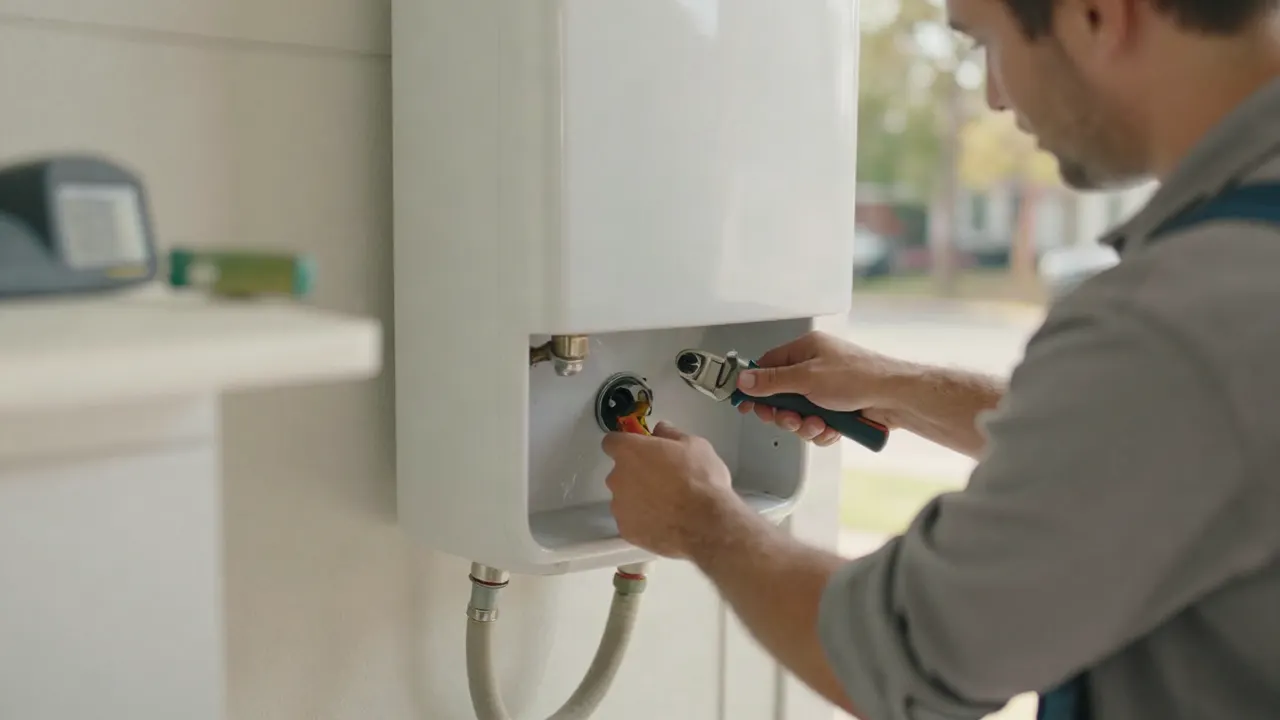
West Ashley family ends yearly faucet repairs
Before: A family of four on 12-grain water was replacing Delta faucet cartridges every year and the water heater popped loudly. Shower glass was permanently cloudy and dishes came out spotted.
After: We installed a 48,000 grain demand-initiated system with a bypass and code-compliant drain. Six months later, no new scale on fixtures, the water heater runs quiet, and detergent use dropped by about half.
Johns Island well water runs clear again
Before: A well owner had orange staining in every sink and a softener that fouled out every eight months. Two prior companies quoted a softener without testing iron, which is why the resin kept dying.
After: We tested iron and pH, added pretreatment ahead of the resin tank, and installed a correctly sized softener. Staining stopped within a week, and the system held capacity past the one-year mark.
Downtown single house gets soft water upstairs
Before: A downtown Charleston single house had original galvanized lines, low upstairs pressure, and a crawlspace too tight for a standard install. The homeowner was told a softener would not fit.
After: We inspected with a leak detection camera, planned a compact placement near the main shutoff, and tied in with PEX to reduce joints. Upstairs flow improved and the pressure test passed with no leaks.
Hard water problems we solve in Charleston
Hard water does not announce itself. It shows up as repeat repair bills, dead appliances, and fixtures that never look clean.
White scale crust on every fixture
Calcium deposits etch faucet finishes, clog aerators, and make shower glass permanently cloudy. Cleaning products stop working and the buildup returns within days.
Water heater failing years early
Scale insulates the heating element, so the tank works harder, pops loudly, and delivers less hot water.
Stiff laundry and spotty dishes
Hard water binds with detergent, so soap does not rinse out.
Low water pressure from scaled pipes
Mineral buildup narrows copper and PEX lines from the inside. Upstairs fixtures slow to a trickle and the problem gets worse every year.
Well water staining and odor
Johns Island and Wadmalaw wells often run high in iron and manganese. Sinks stain orange, water tastes metallic, and a softener alone fouls within months.
Why Charleston homeowners install a softener
Hard water is not a cosmetic problem. It shortens the life of every appliance that touches hot water and quietly raises your monthly bills.
Appliances last longer
Scale builds on water heater elements and tank interiors, forcing the unit to work harder for the same hot water.
Lower soap and detergent use
Soft water lathers with roughly half the soap.
No more scale on fixtures
That chalky film on Kohler and American Standard fixtures, shower glass, and Delta showerheads is calcium carbonate. It etches finishes and clogs aerators.
Better water pressure and flow
Scale narrows copper pipe and PEX tubing from the inside, which shows up as low water pressure at upstairs fixtures.
What you get in writing
Clear records you can keep and share.
Water test results
Hardness, iron, and pH numbers from your tap.
Sizing and settings
Grain capacity and control head programming documented.
Install record
Model numbers, bypass location, and drain routing noted.
16 years installing softeners in the Lowcountry
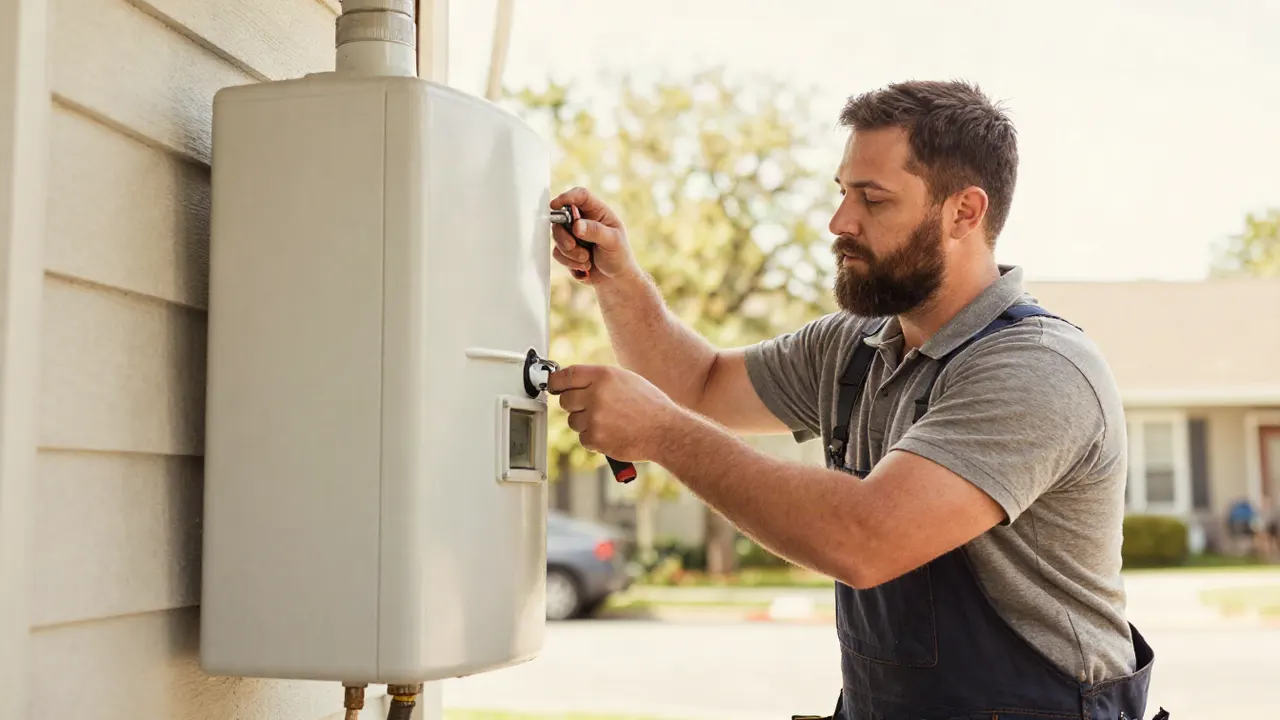
Charleston Harborline Plumbing has been installing and servicing water softeners since 2010, which means 16 years of Lowcountry water, Lowcountry plumbing, and Lowcountry code.
Hardness reading
Grains per gallon at your tap tells us the grain capacity the system needs.
Iron and pH
Iron above 1 ppm means pretreatment goes in ahead of the resin tank.
Pressure gauge
Incoming pressure above 80 psi needs a regulator; low pressure points to scaled lines.
Is your area covered?
Type your ZIP code or town to check. If you do not see yours, ask us.
charleston ZIP codes
- 29414
- 29424
- 29425
- 29455
- 29405
- 29407
- 29401
- 29403
- 29409
- 29492
- 29412
- 29402
- 29413
- 29417
Towns we serve.
Based in charleston and covering the places around it. Pick one for local details.
What Charleston customers say
Our water tested at 12 grains and we were replacing faucet cartridges every year. Charleston Harborline tested the water, sized a 48,000 grain unit, and had it running in one afternoon. Six months later, no scale on the shower glass and the dishwasher actually rinses clean. They walked me through the salt routine before they left.
We had a 14-year-old softener that quit regenerating. They came out, confirmed the control head was dead, and did a full replacement the same week. Hauled the old tank away, reset the bypass, reprogrammed to our current hardness. Clean work, no mess in the garage, and the price matched the quote exactly.
Well water on Johns Island is brutal, high iron and hard as a rock. Two other companies quoted a softener without testing iron. Harborline tested it, added pretreatment, then installed the softener. Water runs clear, no more orange staining in the sinks, and the pressure is better than it has been in years.
Frequently Asked Questions
Short answers for the first few minutes. The team can cover the rest.
Still have a question?
Describe what you are seeing and we will point you to the right next step.
(854) 226-6111Well systems with high iron run higher because they need pretreatment. Downtown homes with tight crawlspaces or slab plumbing can add labor. We quote the full number upfront after testing your water, so there is no guesswork.
If your water tests above 7 grains per gallon, yes. Much of Charleston County sits between 8 and 15 grains, and private wells on Johns Island and Wadmalaw often test higher. Signs you already need one: white crust on fixtures, spotty dishes, stiff laundry, and a water heater that pops or loses hot water capacity early. A five-minute test settles it.
We cover all of Charleston County, including Downtown Charleston, West Ashley, James Island, Johns Island, Daniel Island, Mount Pleasant, North Charleston, and Folly Beach. ZIPs 29414, 29405, 29407, 29455, 29424, and 29425 are all in our regular service area. Same-day water softener installation charleston SC slots open most weekdays when you call before noon.
The right answer depends on your hardness and iron numbers, not a brand name. For most city-water homes, a 32,000 to 48,000 grain demand-initiated unit handles a family of four. Well homes with iron above 1 ppm need pretreatment ahead of the resin tank or the resin fouls within a year. We size to your test results and your household demand, then explain why that unit fits.
Related Services
Other services from the same team.
- Water Softener RepairWe repair softeners that fail to regenerate or leak. We replace resin tanks, control valves, and brine lines.
- Emergency Plumbing ServicesBurst pipe at 2 a.m.? We respond fast to stop the damage.
- Residential PlumbingFrom single-family homes in Hampton Park Terrace to condos downtown, we handle all residential plumbing needs.
Get your water softener installation charleston SC quote today
(854) 226-6111One call gets you a water test, a sized system recommendation, and an upfront number. We install across Charleston County, often same day.
Contact Charleston Harborline Plumbing
Call us at (854) 226-6111 or email [email protected]. Our office is located at 123 Meeting Street, Charleston, SC 29401. We look forward to helping you.